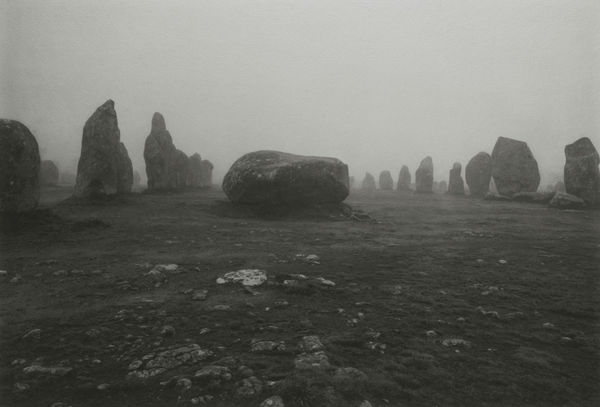
Works
  • Kenro Izu, Bhutan 323, 2006
    Bhutan 323, 2006
  • Kenro Izu, Paro 229, Kharchu Monastery, Bhutan, 2005
    Paro 229, Kharchu Monastery, Bhutan, 2005
  • Kenro Izu, Blue #1010B, 2004
    Blue #1010B, 2004
  • Kenro Izu, Blue #1015B, 2004
    Blue #1015B, 2004
  • Kenro Izu, Blue #1021B, 2004
    Blue #1021B, 2004
  • Kenro Izu, Blue #1063B, 2004
    Blue #1063B, 2004
  • Kenro Izu, Blue #1064B, 2004
    Blue #1064B, 2004
  • Kenro Izu, Blue #1079B, 2004
    Blue #1079B, 2004
  • Kenro Izu, Blue #1114B, 2004
    Blue #1114B, 2004
  • Kenro Izu, Blue #1119B, 2004
    Blue #1119B, 2004
  • Kenro Izu, Blue #1120B, 2004
    Blue #1120B, 2004
  • Kenro Izu, Blue #1122B, 2004
    Blue #1122B, 2004
  • Kenro Izu, Blue #1123B, 2004
    Blue #1123B, 2004
  • Kenro Izu, Blue #1128B, 2004
    Blue #1128B, 2004
  • Kenro Izu, Blue #1129B, 2004
    Blue #1129B, 2004
  • Kenro Izu, Blue #1155B (print is coming unmounted LL center), 2004
    Blue #1155B (print is coming unmounted LL center), 2004
  • Kenro Izu, Blue #851B, 2004
    Blue #851B, 2004
  • Kenro Izu, Blue #865B, 2004
    Blue #865B, 2004
  • Kenro Izu, Blue #879B, 2004
    Blue #879B, 2004
  • Kenro Izu, Blue #933B, 2004
    Blue #933B, 2004
  • Kenro Izu, Blue #935B, 2004
    Blue #935B, 2004
  • Kenro Izu, Blue #995B, 2004
    Blue #995B, 2004
  • Kenro Izu, Kailash #98, Tibet, 2002
    Kailash #98, Tibet, 2002
  • Kenro Izu, Manaslovar #128, Tibet, 2002
    Manaslovar #128, Tibet, 2002
  • Kenro Izu, Taksan #22, Bhutan, 2002
    Taksan #22, Bhutan, 2002
  • Kenro Izu, Blue #872B, 2001
    Blue #872B, 2001
  • Kenro Izu, Peru 31, 2001
    Peru 31, 2001
  • Kenro Izu, Sacred Places (limited edition print and book), 2001
    Sacred Places (limited edition print and book), 2001
  • Kenro Izu, Binlingsi #48, China, 2000
    Binlingsi #48, China, 2000
  • Kenro Izu, Gaochang #81, China, 2000
    Gaochang #81, China, 2000
  • Kenro Izu, Guge #70, Tibet, 2000
    Guge #70, Tibet, 2000
  • Kenro Izu, Kailash #75, Tibet, 2000
    Kailash #75, Tibet, 2000
  • Kenro Izu, Majishan Cave #9, China, 2000
    Majishan Cave #9, China, 2000
  • Kenro Izu, Shumishan #19, China, 2000
    Shumishan #19, China, 2000
  • Kenro Izu, Ladakh #18, Leh, India, 1999
    Ladakh #18, Leh, India, 1999
  • Kenro Izu, Ladakh #49, Ramayuru Gompa, India, 1999
    Ladakh #49, Ramayuru Gompa, India, 1999
  • Kenro Izu, Lhasa #13, Potala, Tibet, 1999
    Lhasa #13, Potala, Tibet, 1999
  • Kenro Izu, Still Life #653, 1998
    Still Life #653, 1998
  • Kenro Izu, India 105, 1997
    India 105, 1997
  • Kenro Izu, India 129, 1997
    India 129, 1997
  • Kenro Izu, Laos 10, 1997
    Laos 10, 1997
  • Kenro Izu, Pac Ou Cave #1, Laos, 1997
    Pac Ou Cave #1, Laos, 1997
  • Kenro Izu, India 15, 1996
    India 15, 1996
  • Kenro Izu, Indonesia 30, 1996
    Indonesia 30, 1996
  • Kenro Izu, Prambanam #5, Indonesia, 1996
    Prambanam #5, Indonesia, 1996
  • Kenro Izu, Palmyra #18, Syria, 1995
    Palmyra #18, Syria, 1995
  • Kenro Izu, Palmyra #31, Syria, 1995
    Palmyra #31, Syria, 1995
  • Kenro Izu, Palmyra #43, Syria, 1995
    Palmyra #43, Syria, 1995
  • Kenro Izu, Palmyra #48, Syria, 1995
    Palmyra #48, Syria, 1995
  • Kenro Izu, Rancho de Taos #8, New Mexico, 1993
    Rancho de Taos #8, New Mexico, 1993
  • Kenro Izu, England 35, 1992
    England 35, 1992
  • Kenro Izu, France 24, 1991
    France 24, 1991
  • Kenro Izu, Easter Island 9, 1989
    Easter Island 9, 1989
  • Kenro Izu, Maidun #18, 1985
    Maidun #18, 1985
  • Kenro Izu, Light Over Angkor
    Light Over Angkor
Exhibitions
Overview
"Spirituality has been the theme of my photography throughout my career. I feel the ability to sense this spirituality makes humans stand out from other beings. Temples, churches, and tombs, where people naturally bow and kneel, are all related to the death of people. Those places seem to contain or be surrounded by a “sacred air”. This “air” makes the place a different dimension, if photographed at the right time. It is interesting to realize that I have been interested in sacred places where they are associated to human death." - Kenro Izu 

Kenro Izu was born in Osaka, Japan in 1949. During studying art at Nihon University in Tokyo, Izu visited to New York, and decided to reside there at age of 21.


After opening of Kenro Izu Studio in New York City in 1974, Izu started traveling and photographed world’s “Sacred Places” in 1979, and since then the project become his life-long work. For the projects, Izu uses 14×20 inch film camera to create Platinum Print which render the subtle nuance and capturing the spirituality of the sacred place until 2013. From2013 to 2016, A documentary project “Eternal Light” of the people who live and die in the fringe of India society by using a medium format film camera. From 2015 to 2017, a project of “Pompeii Requiem” to portray the city and people vanished nearly 2000 years ago by volcanic eruption at Pompeii, Italy. From 2017 to 2019, a project, “Fuzhou-A forgotten land” in China was completed. “Noh” project, was the first photographic project in Japan, to capture deep emotion which has been absorbed over 600 year old Noh mask

Biography
"Making photographs is my life now, actually more now than when I was younger. I thought I had many elements of interests in my life, but I now realize that photography is the main part of my life (and joy of creating and discovery)." - Kenro Izu

Izu has published 16 books which include Sacred Places (Arena Editions), Bhutan sacred within (Nazraeli), Teritories of Spirits (Skira), Seduction (Damiani), Eternal Light (Steidle) and Requiem of Pompeii (Skira).


Izu is a recipient of awards and fellowship, include National Endowment for Arts, New York Foundation for Arts and Guggenheim Fellowship.


Izu’s work has been exhibited in Rubin Museum of Art (New York), Arthur M. Sackler Gallery (Washington, D.C.), Kiyosato Photographic Art Museum, (Yamanashi, Japan), Howard Greenberg Gallery (New York), Persiehl & Heine (Hamburg, Germany), In Camera Gallery (Paris, France), Fondazione Fotografia Modena (Modena, Italy), Nabshi Center (Tehran, Iran) and other museums and galleries of USA, Europe and Asia.


Aside photographic projects, during his photography trips to Cambodia in 1993, by witnessing children suffering by poverty and lack of healthcare system in the country, Izu founded a not-for-profit organization, Friends Without A Border (Friends) in New York and Tokyo, Japan. “Friends” founded and the Angkor Hospital for Children (AHC) in Siem Reap, Cambodia in 1999. Since then AHC treated over 2 million children of Cambodia. In 2015, Izu and the “Friends” opened the Lao Friends Hospital for Children (LFHC) in Luang Prabang, Lao PDR to provide free and compassionate medical care to the children of Laos.

Publications